
(Contributed by Zhou Jie; reviewed by Tang Linwei) On the morning of March 20th, the leadership of the College of Engineering and the delegation from the Institute of Modern Vocational Education conducted a specialized symposium at the African Research Institute, focusing on the advancement of vocational education across theAfrican continent. The symposium facilitated profound exchanges on various topics, including the doctoral program application of the College of Engineering, the exploration of vocational education in Africa, and the prospects for transnational collaborative endeavors. Together, the parties charted new trajectories for the innovative evolution of their respective disciplines. The symposium wasgraced by the presence of esteemed members from both institutions, comprising E Shiju, Dean of the College of Engineering, Cui Xueping, Party Committee Secretary of the College of Engineering, Liu Hongwu, Director of the African Research Institute, and Wang Heng, Party Committee Secretary of the African ResearchIn
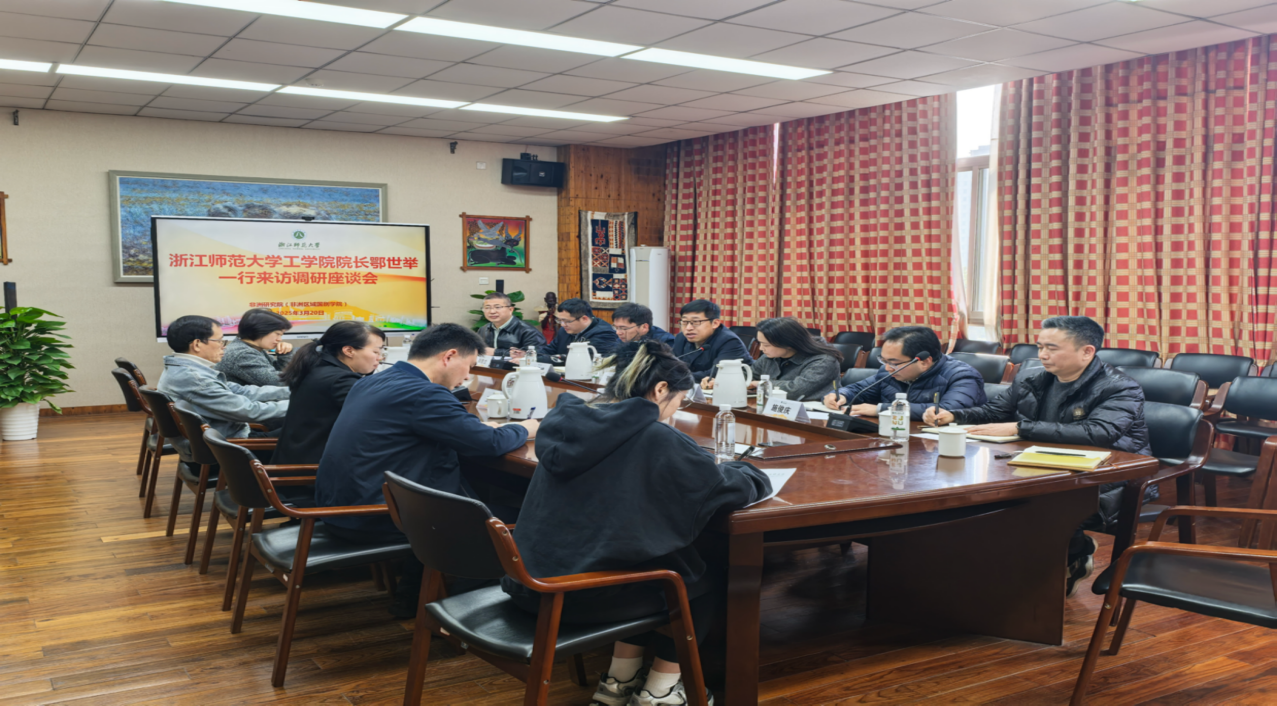
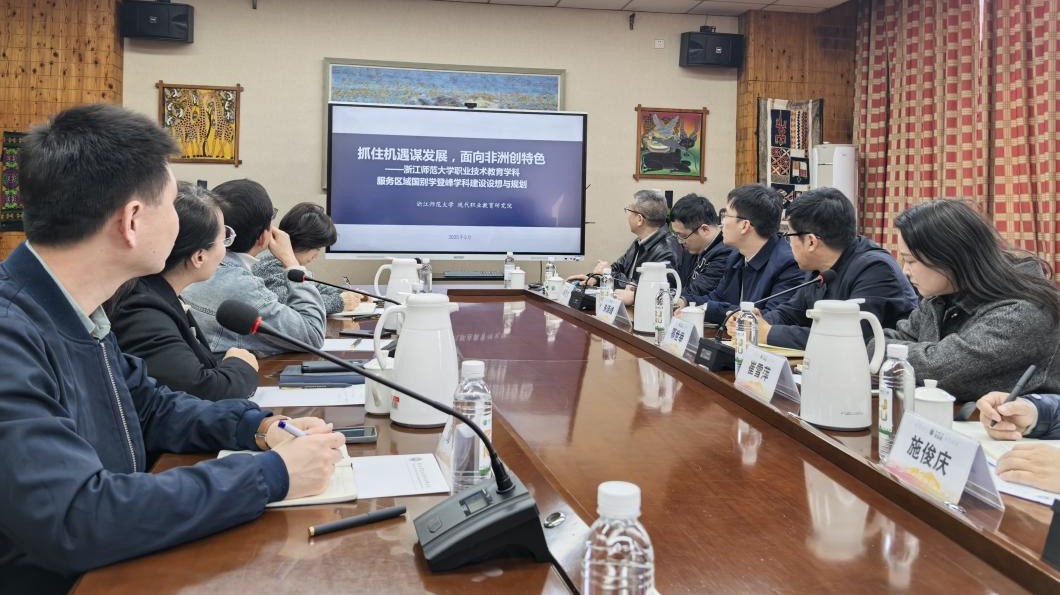
Dean Director Econveyed his heartfelt appreciation to the Africa Research Institute for its sustained and robust support to the College of Engineering. He provided a comprehensive overview of the discipline construction framework within the College of Engineering and detailed the advancements in the pursuit of doctoral program accreditation. His analysis particularly emphasized the alignment of prominent fields such as Transportation and Mechanical Engineering with the industrial requisites of African nations. Dean Tang Linwei from the Modern Vocational Education Research Institute presented the aspirations and strategic plans of the Vocational and Technical Education discipline, aiming to bolster the pinnacle discipline development at regional and national levels through accomplishments in talent cultivation, collaborative projects, and educational initiatives. He articulated a desire to integrate the strengths of both institutions to engage in collaborative research within the realm of vocational education and to pioneer innovative models for the cultivation of vocational education talent, specifically tailored to the African context.
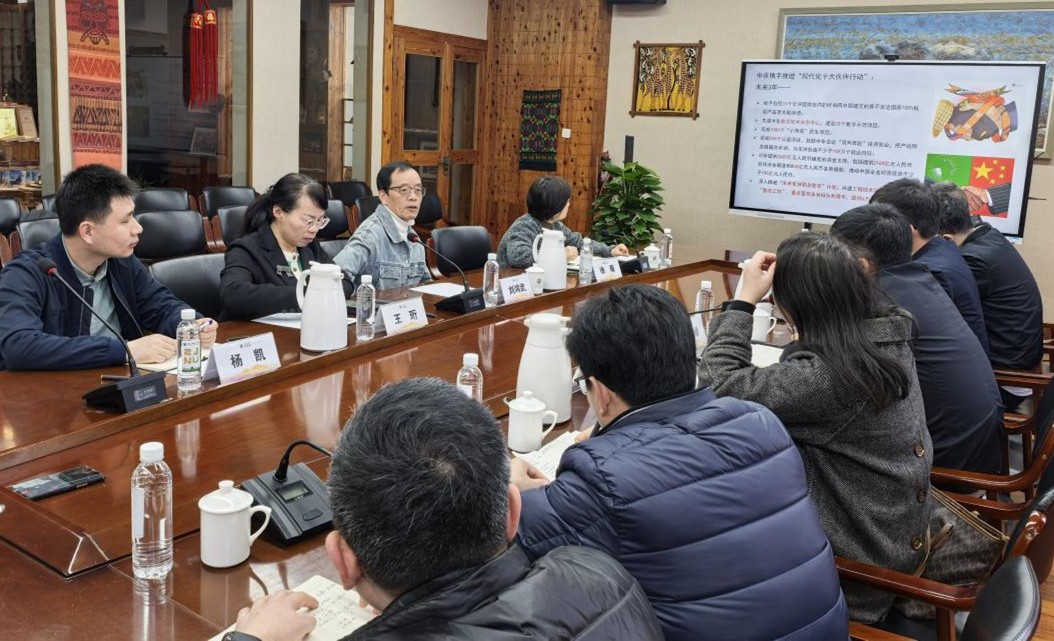
Dean Liu Hongwu has given high praise to the College of Engineering for its accomplishments in discipline development, university-local collaboration, and other areas. He has also provided constructive recommendations, grounded in national strategic imperatives and the university's pursuit of first-class discipline advancement. Initially, it is imperative to uphold the philosophy of distinctive development, concentrating efforts on the domain of China-Africa "Three Networks and Two Modernizations" collaboration and development. We must spearhead the pursuit of doctoral program accreditation with innovative approaches, aiming to cultivate unique strengths, reinforce existing competencies, and specialize in areas where we excel.To actualize the distinctive and characteristic-oriented development of academic programs, it is imperative to establish a system of exemplary accomplishments.This involves thecollaborativeproduction of a compendium ofliterature focusing on China-Africa collaborative endeavorswithin the realms of transportation, mechanical and electrical engineering, vocational education, and additional sectors. Furthermore,it isessential to set up industry-academia-research cooperative demonstration platforms in nations such as Nigeria, Egypt, and South Africa, thereby facilitating cooperative research and developmentalongside the transformation of technologicalachievements.Thirdly, our endeavors should be aligned with the nation's paramount strategic planning, emphasizingthe principlesof "internal integration and external cooperation." We must proactively address the nation's practical requirements in talent cultivation, technology transfer, and international collaboration.Concurrently, we should engagein multifaceted cooperation with African countries, expand the horizons of disciplinary research, enhance professional service capabilities, and nurture a greaternumber of interdisciplinary talents who arewell-versed in African national contexts and equipped with specialized expertise.
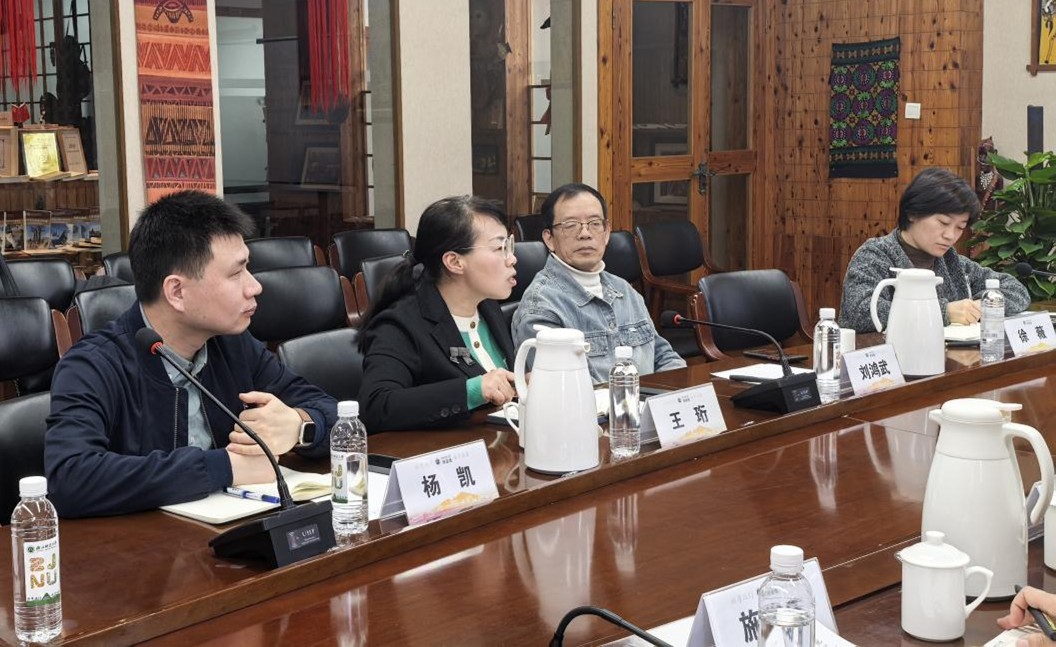
At the symposium, the two sides reached a consensus on establishing a normalized cooperation mechanism. Party Secretary Wang Heng emphasized that we should closely align with the high-quality development requirements of the Belt and Road Initiative and deeply integrate discipline construction with the industrialization process in Africa. Party Secretary Wang Heng, Vice Dean Yang Kai, and Vice Dean Xu Wei respectively put forward constructive suggestions on the work of the College of Engineering in talent cultivation, achievement cultivation, social service, and other aspects, combining the current situation of China-Africa cooperation and the needs of the university.
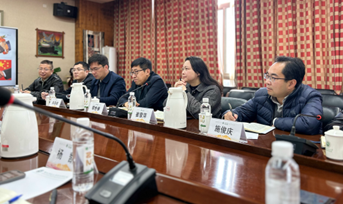
Party Secretary Cui Xueping conveyed his profound appreciation for the esteemed insights proffered by the leadership of the Africa Research Institute, while Dean DirectorE adeptly encapsulated the essence of the symposium. This symposium signifies a pivotal juncture, heralding the commencement of a new phase of strategic partnership between the two institutions. Both parties are poised to align with the nation's overarching educational agenda of embracing international openness, harnessing the power of interdisciplinary convergence. In doing so, they pledge to contribute the intellectual prowess of Zhejiang Normal University towards the establishment of a China-Africa community characterized by a shared destiny in this contemporary era.