Welcome to apply to the College of Engineering at Zhejiang Normal University!
The flagship engineering programs at
Zhejiang Normal University's College of Engineering,
such as
Intelligent Manufacturing Engineering
Robotics Engineering
Transportation
With a strong faculty team (great mentors and friends abound),
comprehensive teaching facilities (abundant platform support),
and leading the way in postgraduate advancement, innovation, entrepreneurship, and industry-education integration (countless opportunities to realize dreams),
it is an excellent choice!
Established in 2005, the College of Engineering at Zhejiang Normal University adheres to the motto "Pursuing Excellence Through Integrity and Innovation" and maintains a distinctive approach to education. It has developed an educational model integrating industry-education, science-education, and innovation-education. Guided by the talent development philosophy of "Learning to Learn, Taking Responsibility, Excelling in Service, and Living Joyfully," the college emphasizes the cultivation of students' comprehensive qualities and innovative abilities.
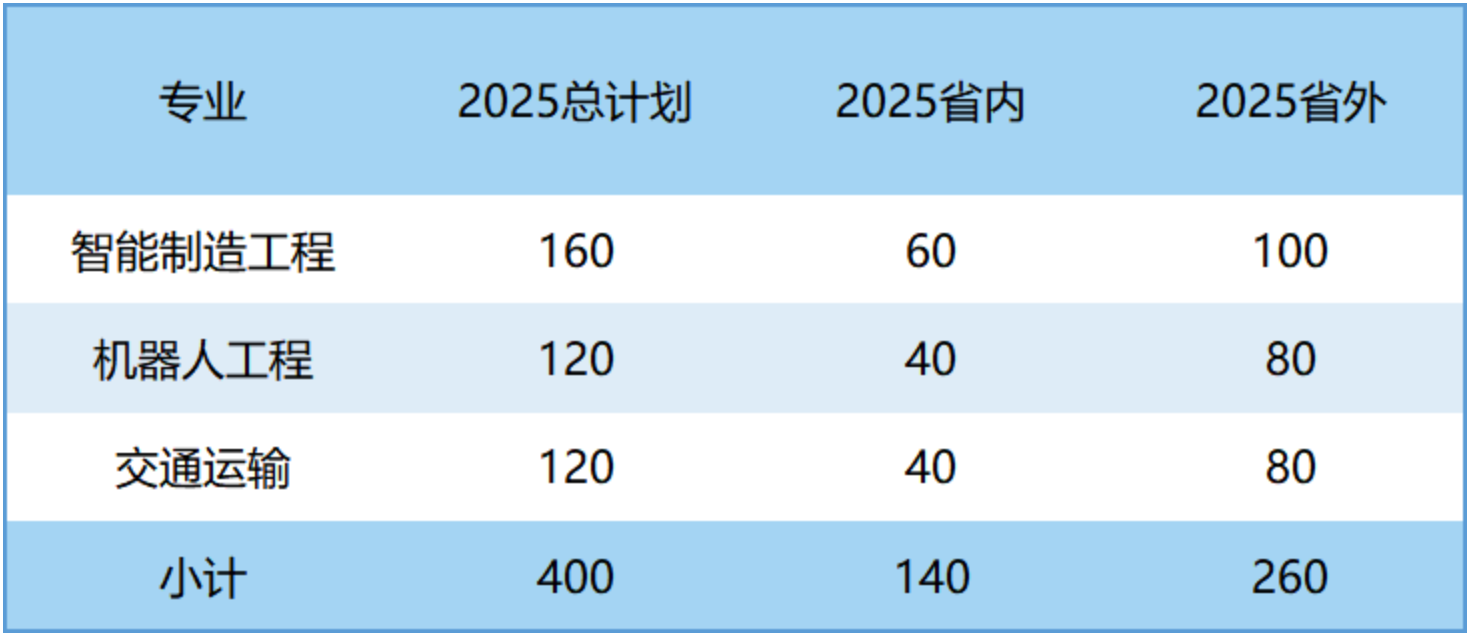
In 2025, the college will offer three undergraduate programs: Intelligent Manufacturing Engineering, Robotics Engineering, and Transportation Engineering.
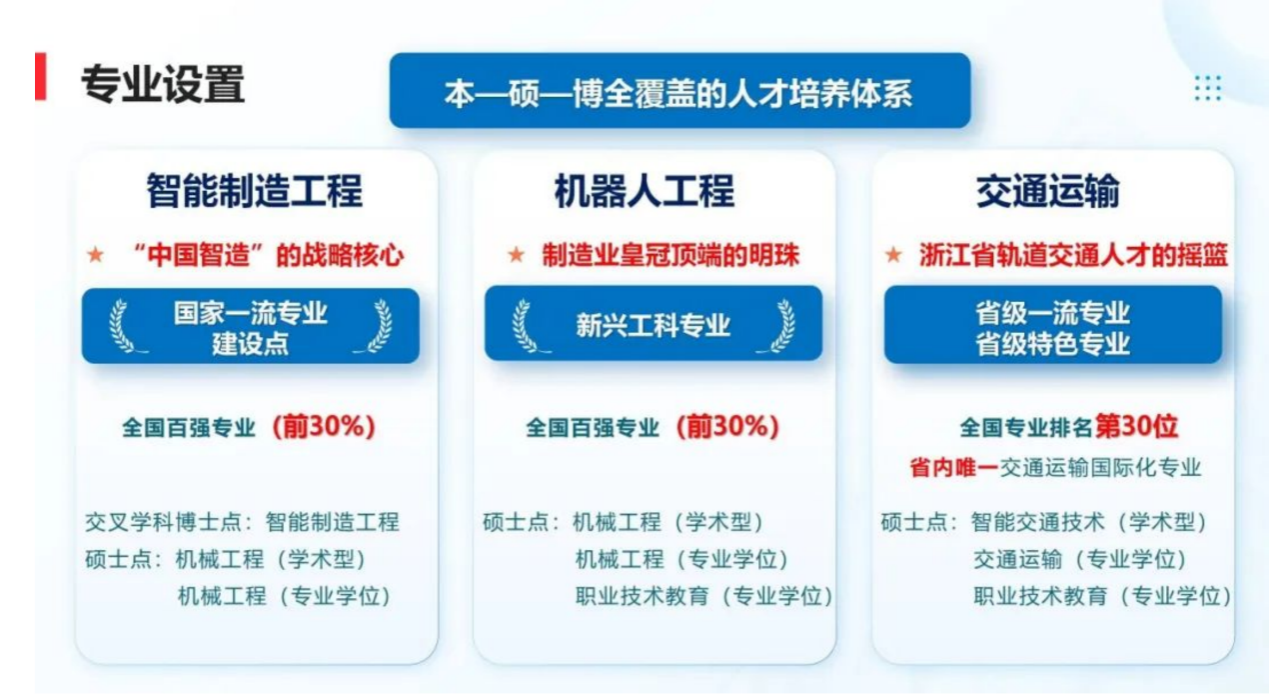
The college has established an integrated undergraduate-master-doctoral training model. It boasts one interdisciplinary doctoral program, six master's programs, and multiple national-level construction initiatives, provincial first-class undergraduate programs, and provincial characteristic specialties, providing every student with a platform to showcase their talents and realize their dreams.
2025 Enrollment Program
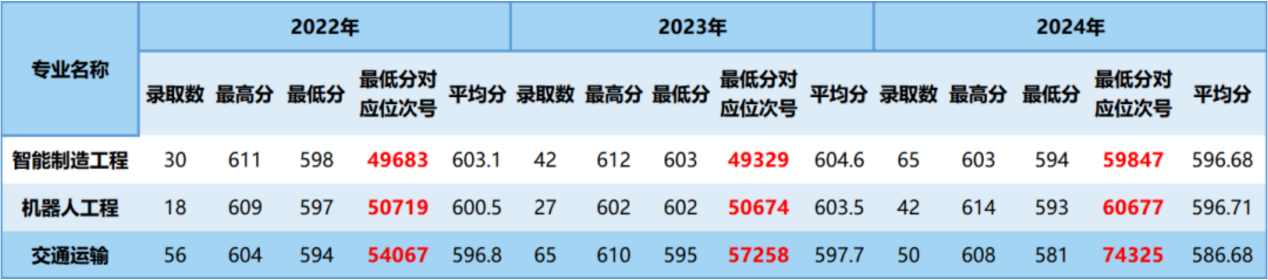
Enrollment Figures for Zhejiang Province, 2022-2024
At ZJNU Engineering, find great mentors and like-minded friends!
The college currently has 167 faculty and staff members, including 124 full-time teachers. Among them, there are 10 doctoral supervisors and 101 master's supervisors. 53% of the faculty hold senior professional titles, and 76% hold doctoral degrees. The teaching team includes 8 foreign teachers, 4 national high-level foreign experts, 1 recipient of the Provincial Distinguished Young Scholar Fund, 3 provincial higher education innovation leaders, and 5 provincial young and middle-aged academic leaders. The college provides an excellent educational environment.
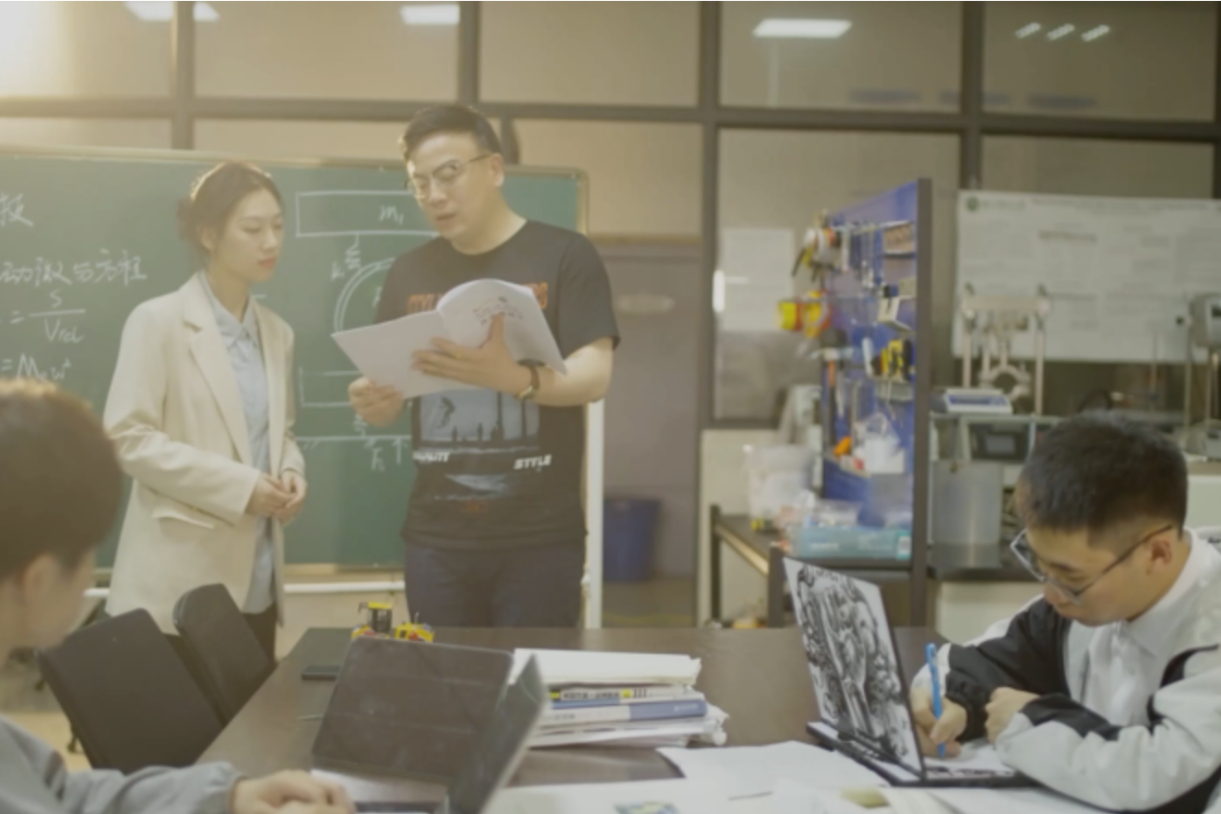
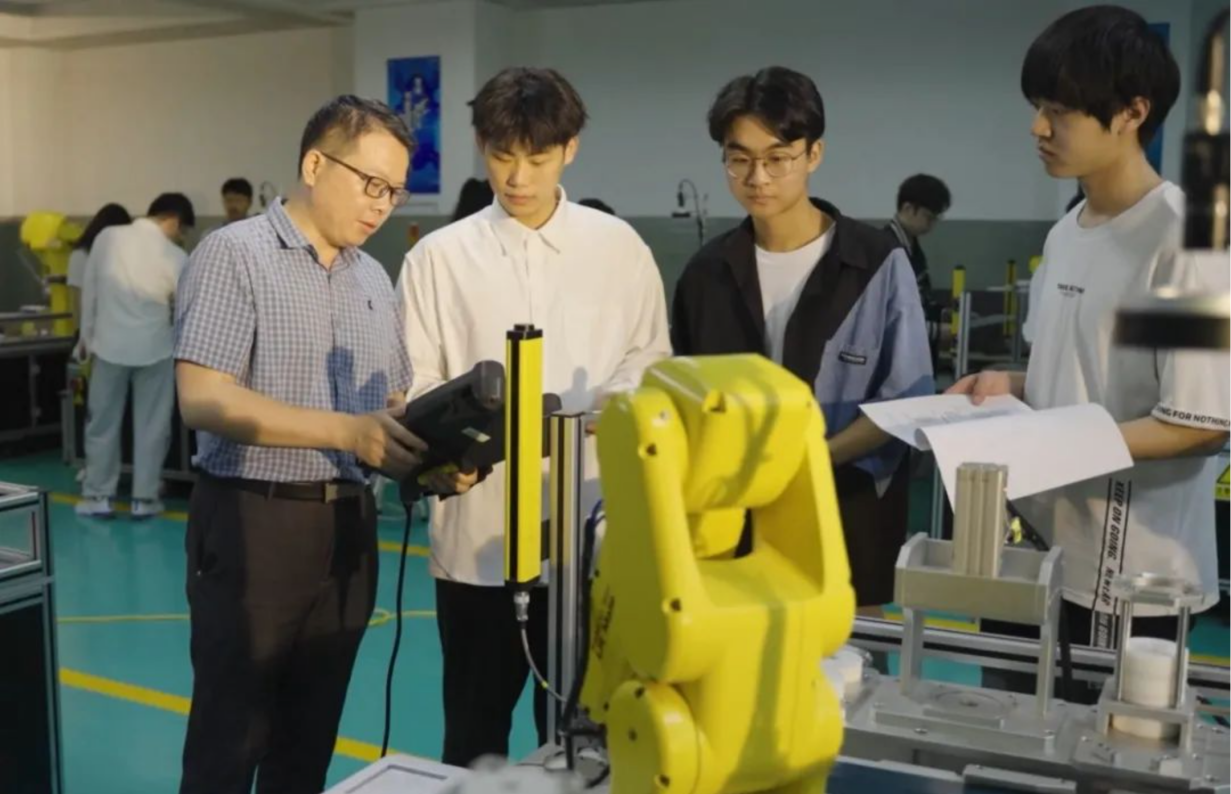
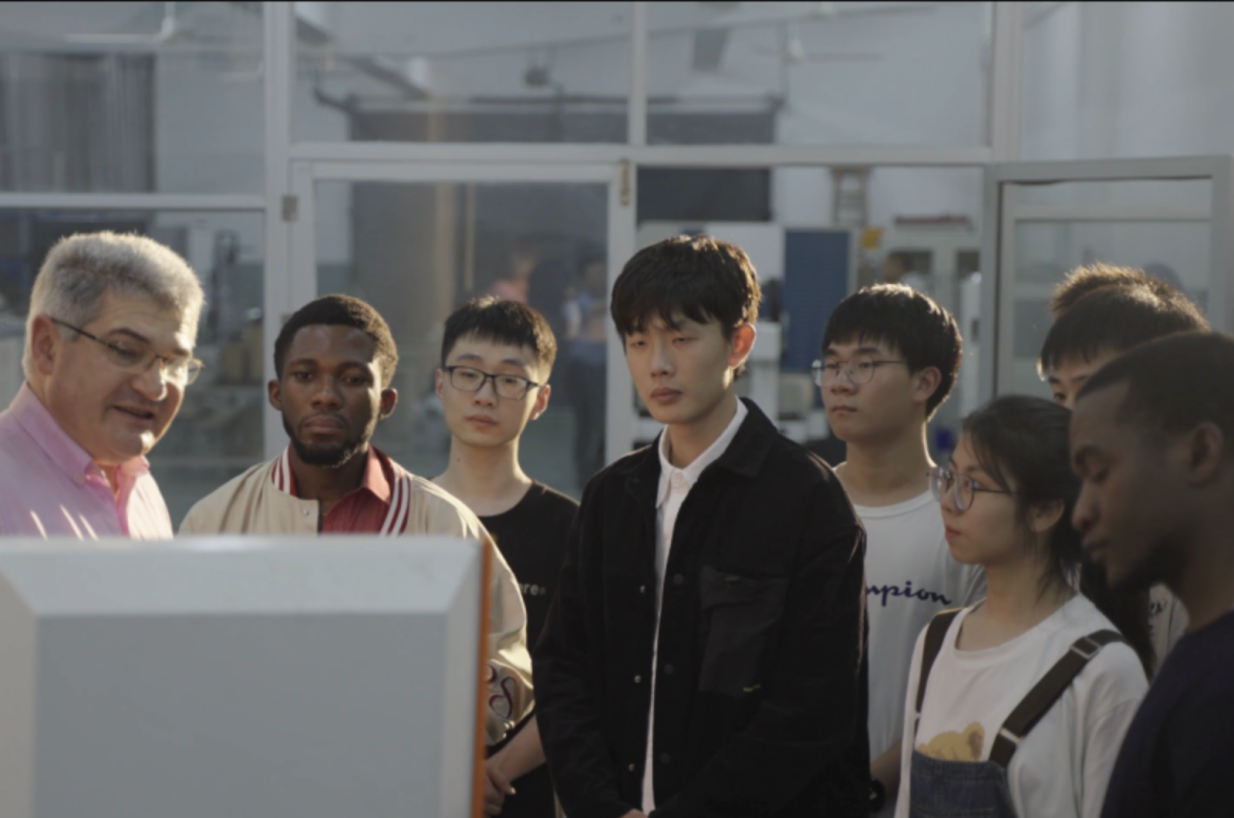
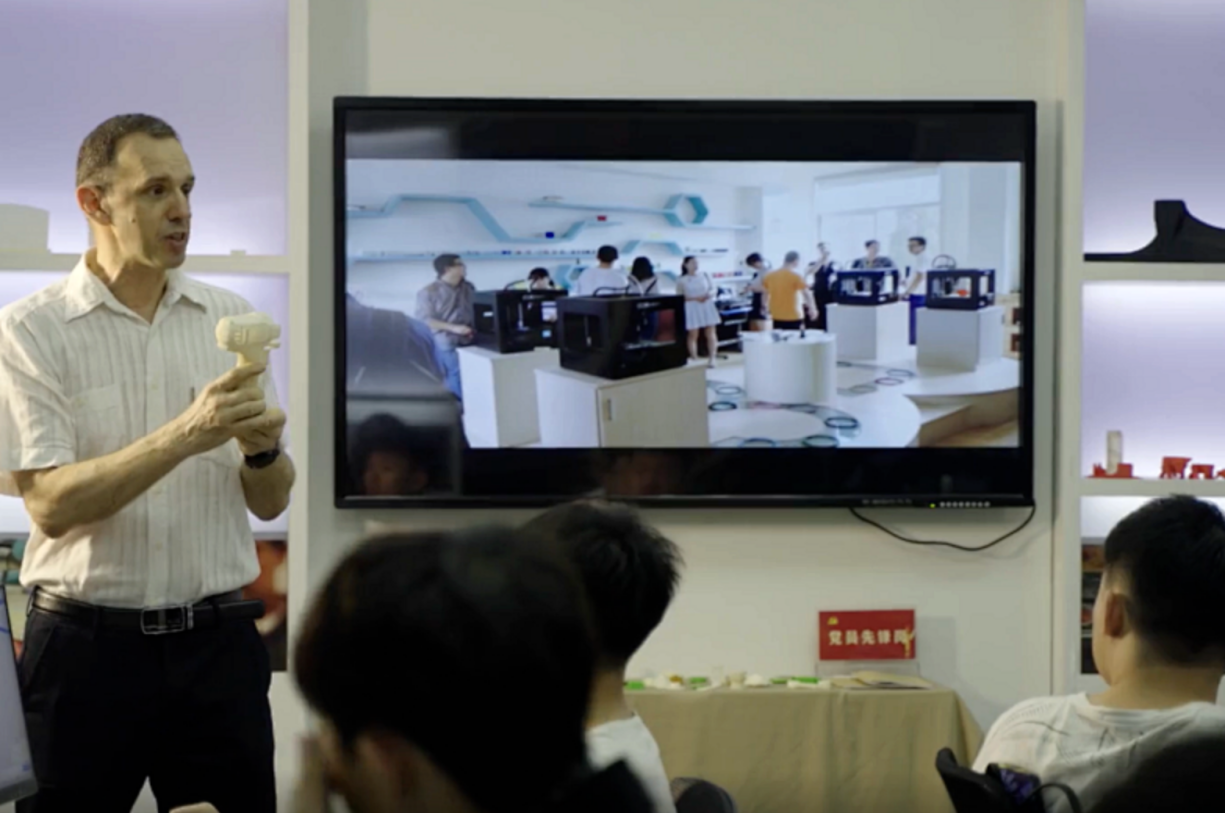
The college assigns a dedicated supervisor to every undergraduate student from their first year. It actively promotes the "Three Shared" educational culture—shared classroom, shared project, shared training ground—and implements talent development initiatives such as the "Mentorship Program" and the "Boost Initiative." These measures continuously strengthen teacher-student interaction and support students' holistic development.
At ZJNU Engineering, build your future on a solid foundation!
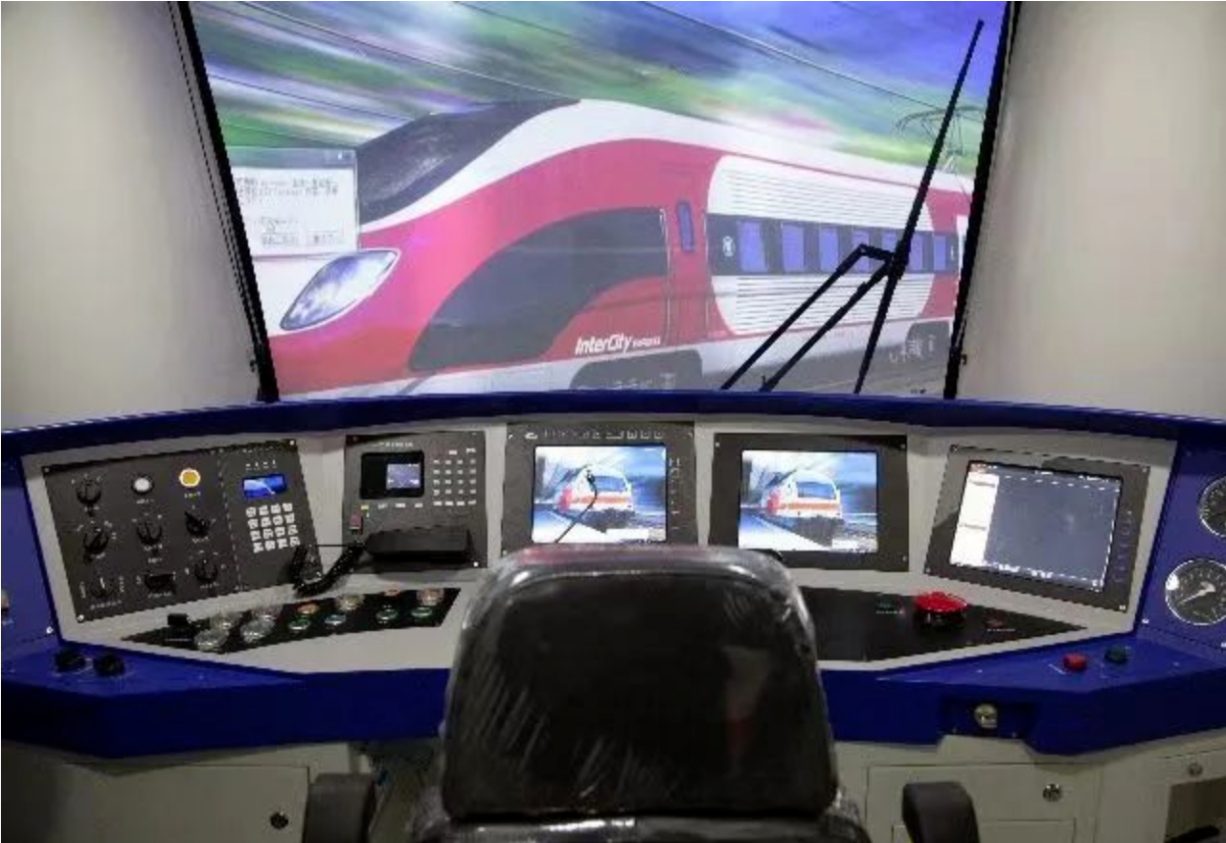
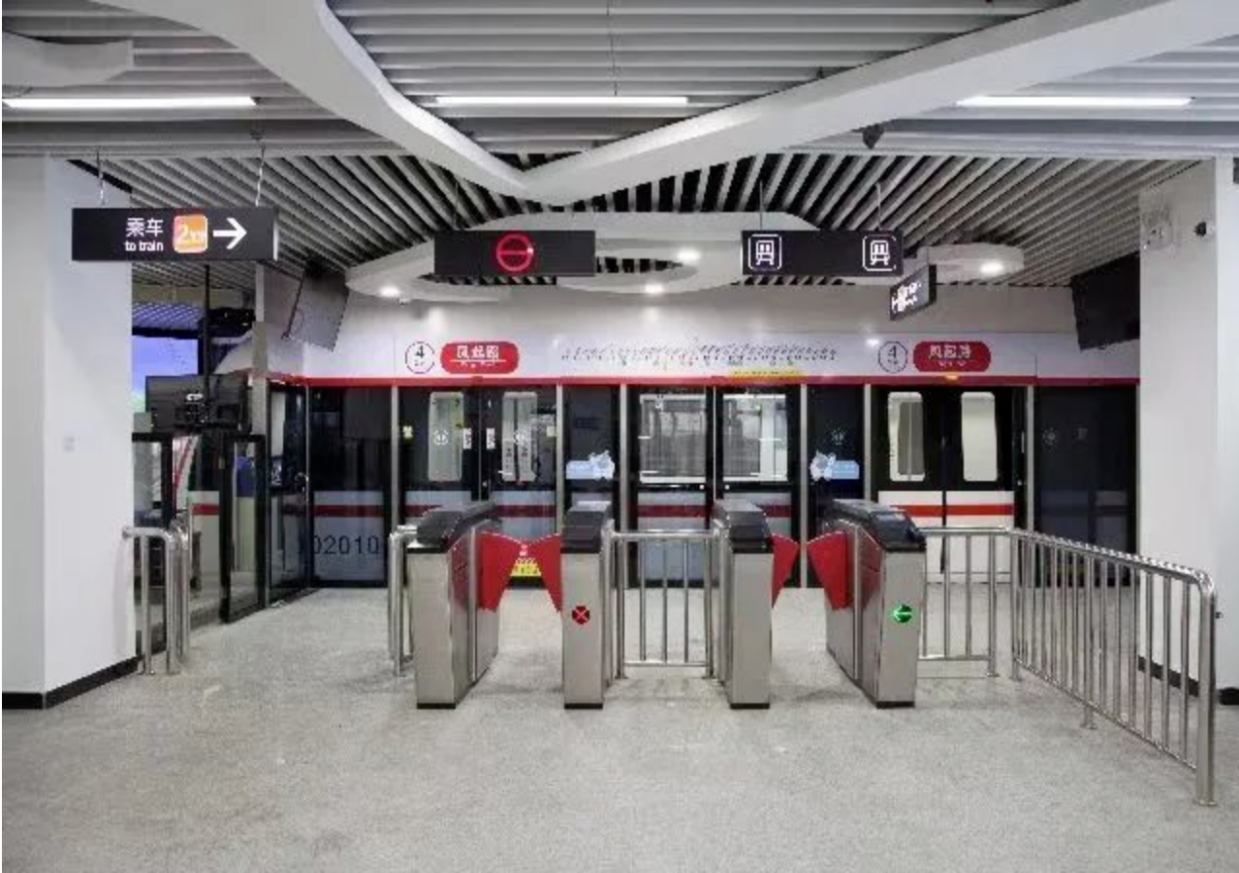
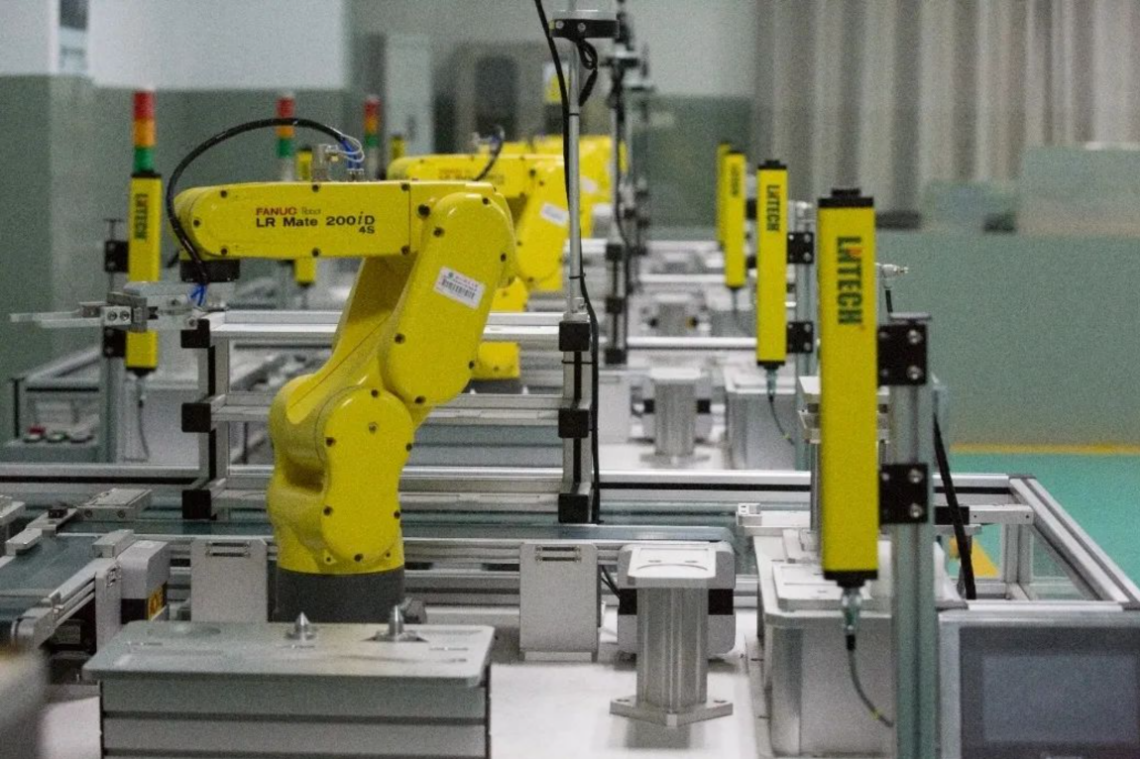
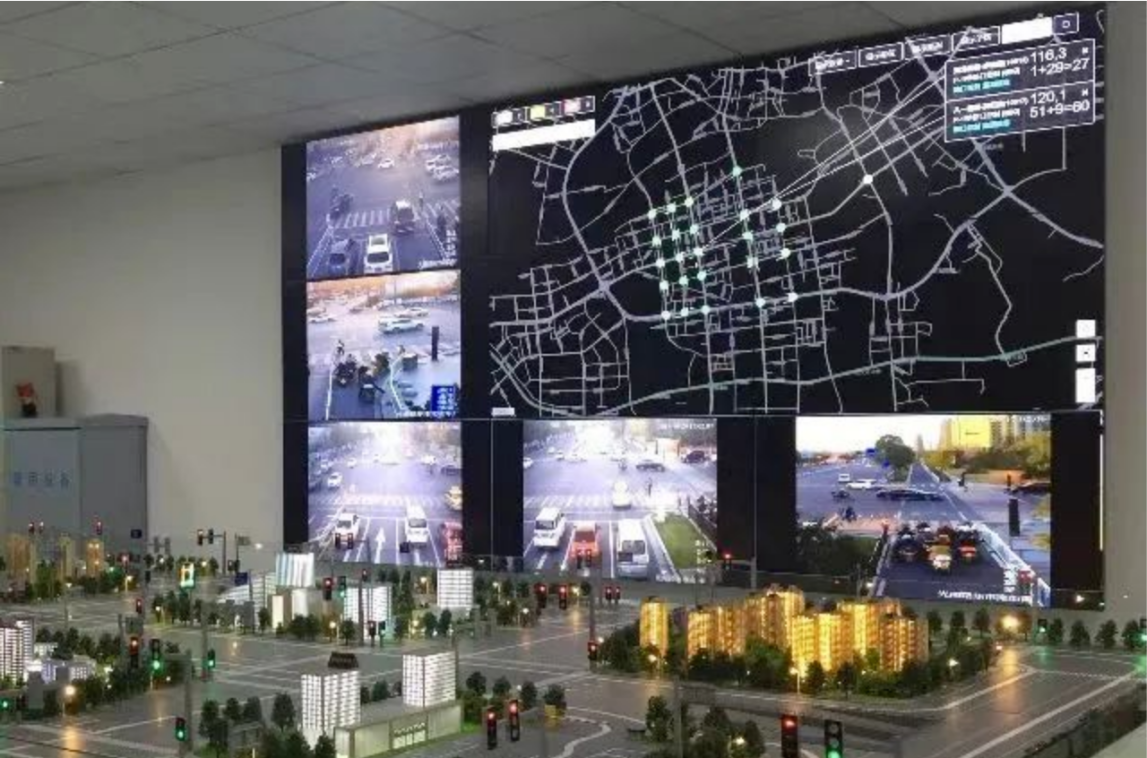
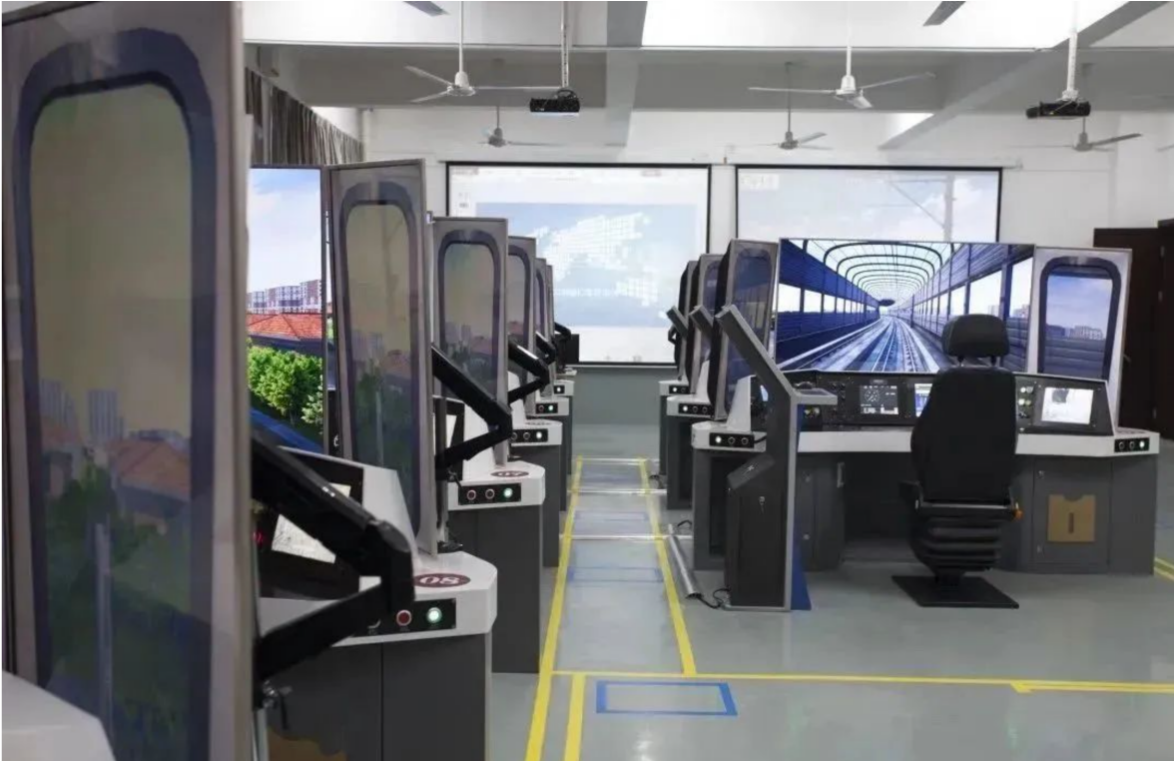
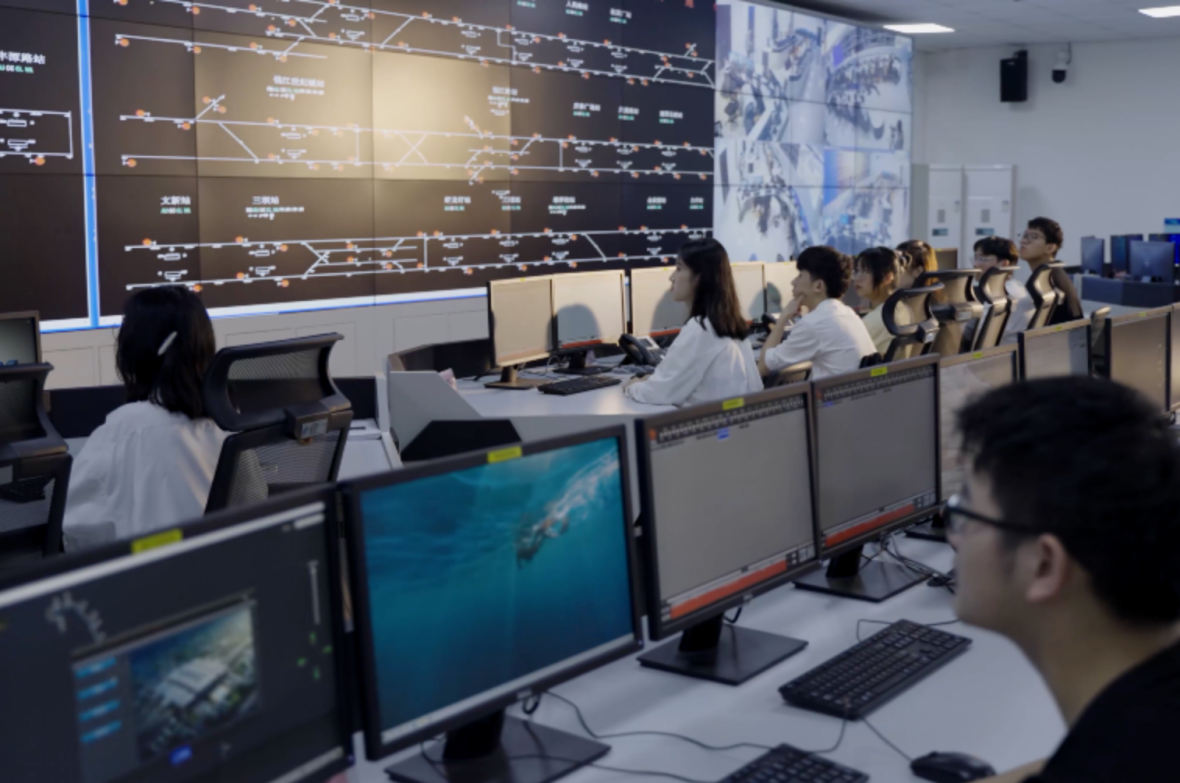
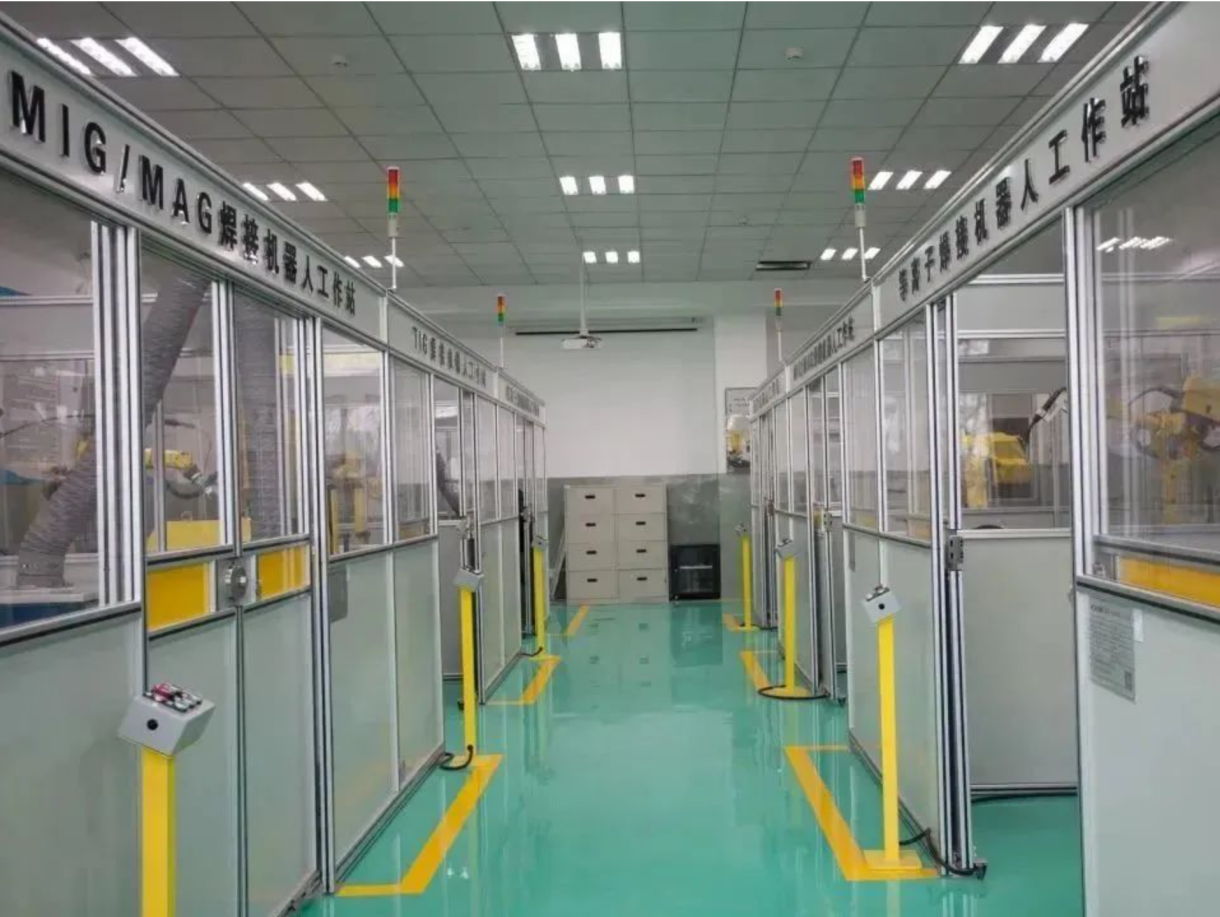
The college boasts exceptional teaching and laboratory facilities. It is home to a National Development and Reform Commission-approved "Rail Transit and Intelligent Manufacturing Industry-Education Integration Training Base," which spans 12,800 square meters with a total investment of 250 million RMB. This base integrates talent cultivation, technological innovation, skill training, teacher development, job training, vocational skill certification, and Africa-aid rail transit talent programs. It successfully achieves the "triple integration" of the education chain, industry chain, and innovation chain, while closely connecting the academic, industrial, and corporate spheres.The college has established student internship and practice bases in collaboration with over 100 well-known enterprises. It jointly operates laboratories and product R&D centers with partners such as Siemens AG, Zhejiang Wanliyang Transmission Co., Ltd., Zhejiang Expressway Operation Management Co., Ltd., and Jinhua Communications Investment Group Co., Ltd. Additionally, multiple companies have set up various innovation and entrepreneurship scholarships for outstanding students at the college.
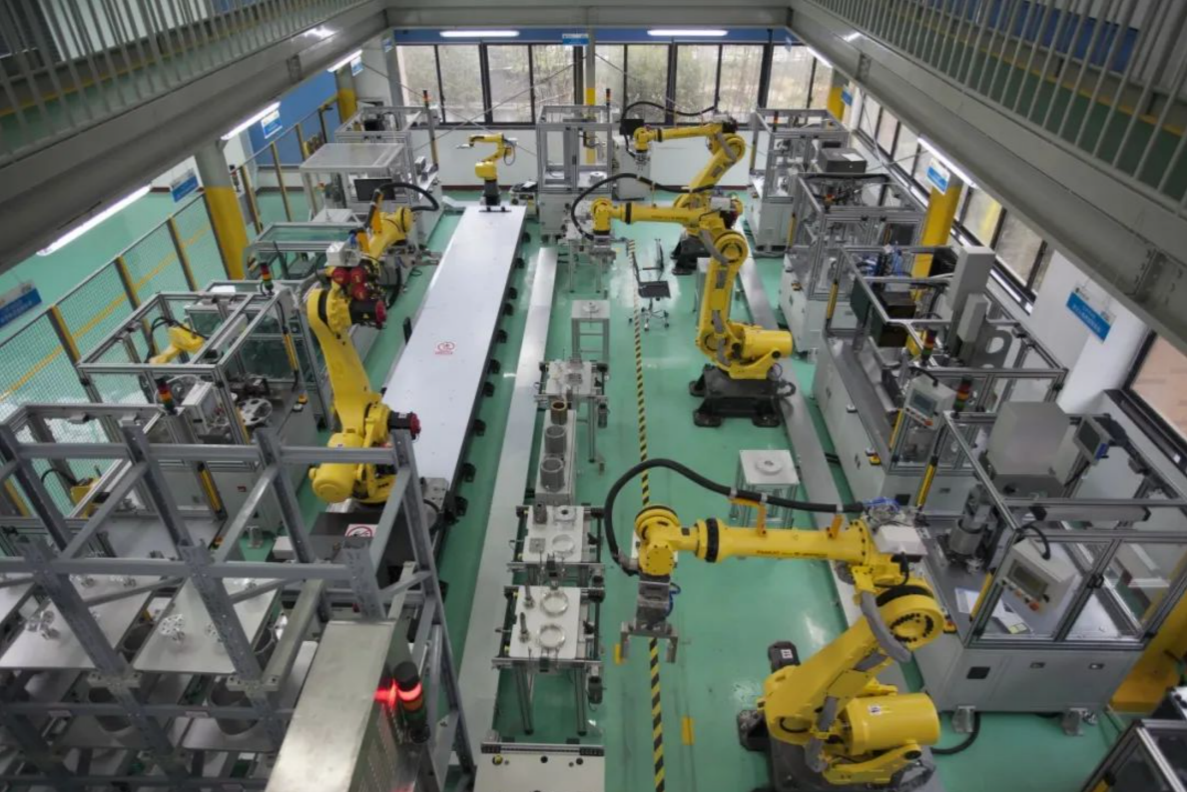
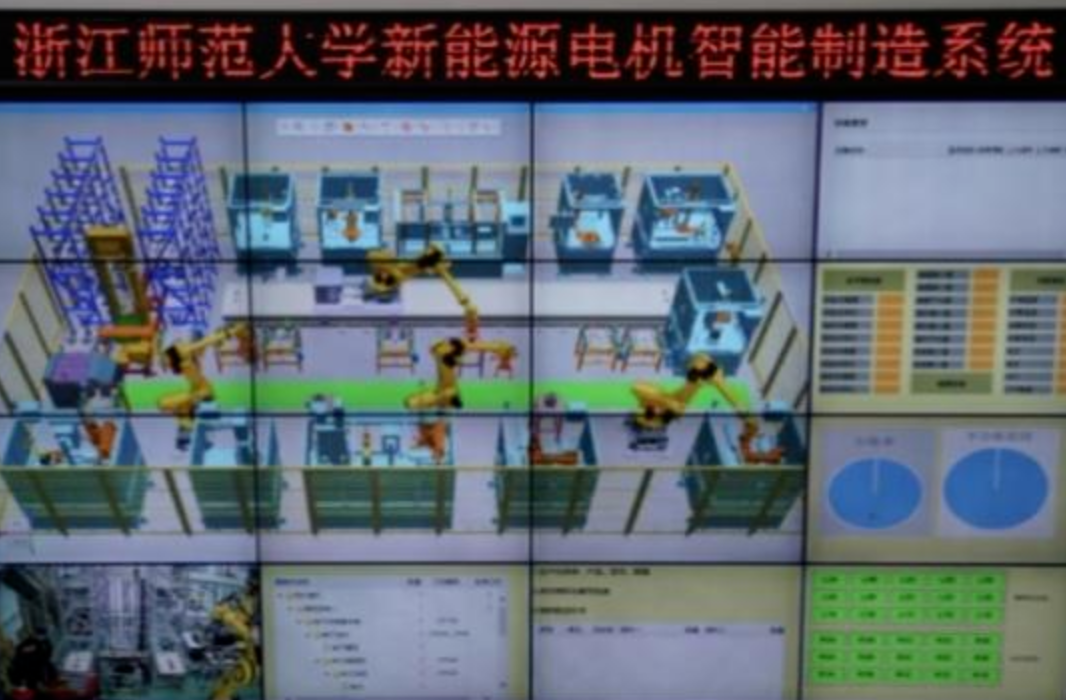
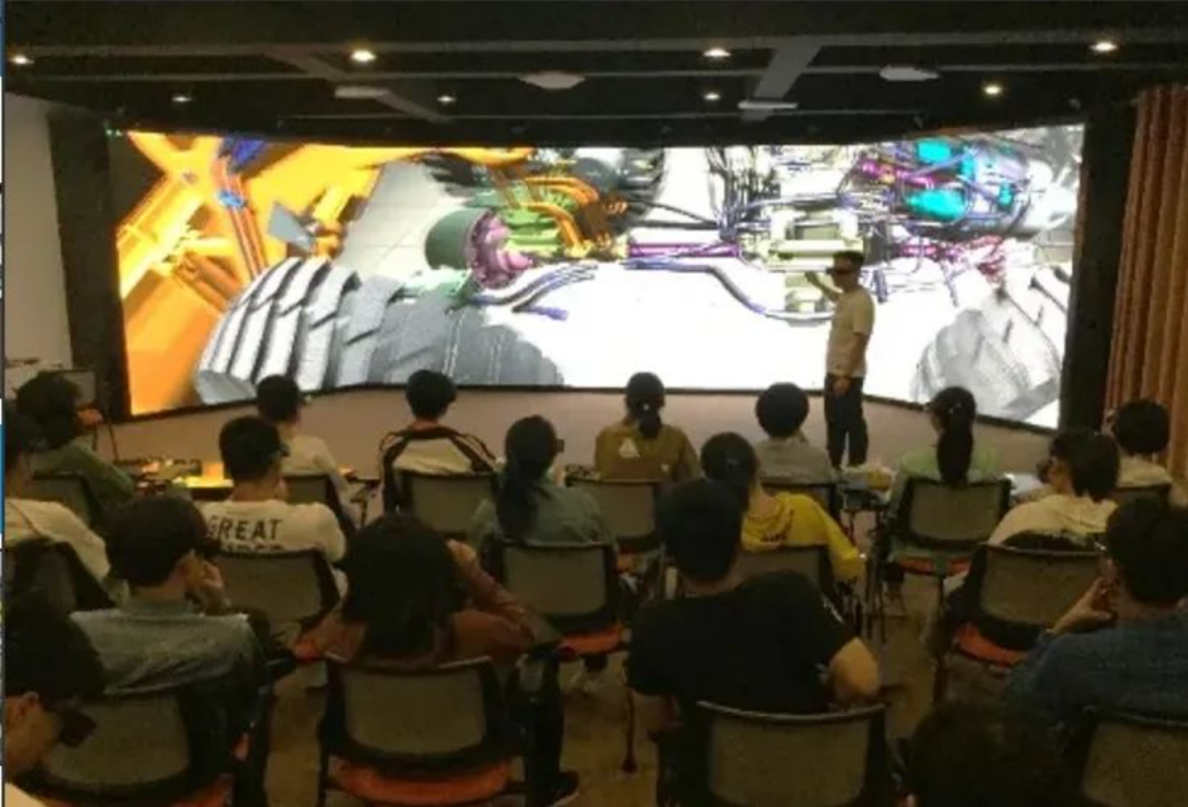
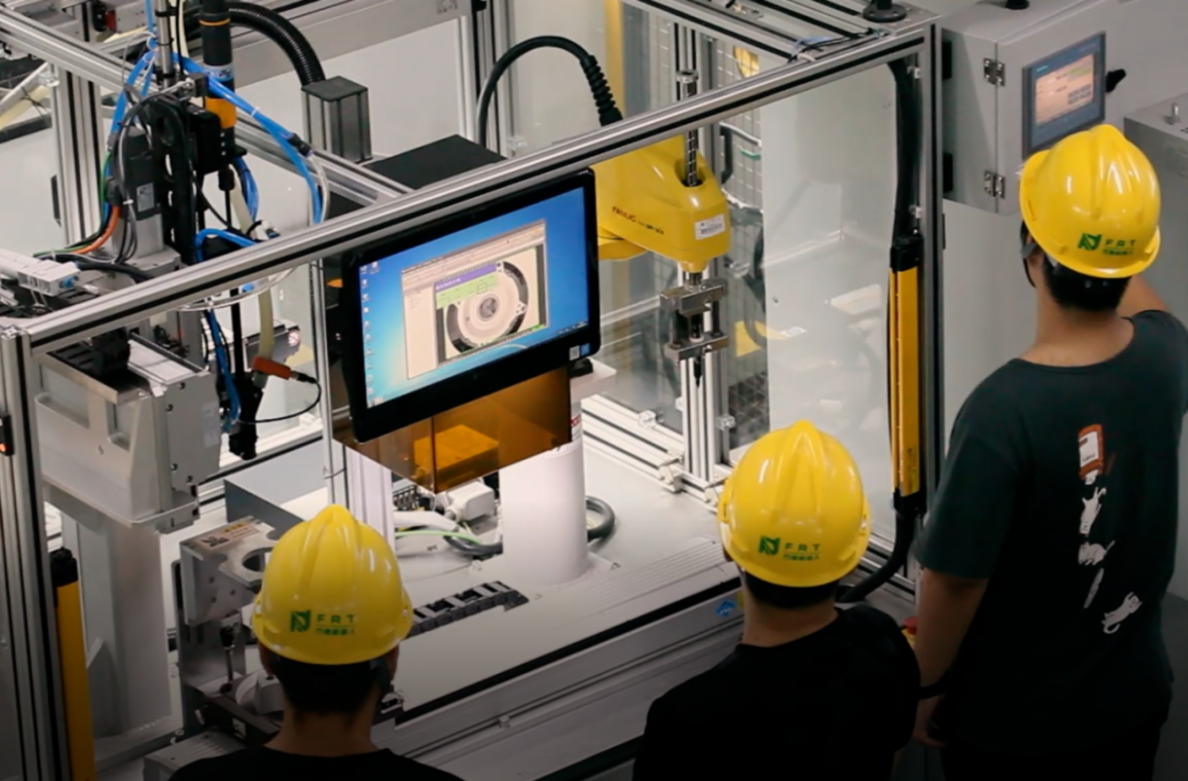
The college has demonstrated outstanding academic achievements. It boasts a national-level practical training platform from the National Development and Reform Commission, and is supported by 4 ministerial/provincial-level research platforms, 1 municipal-level platform, 8 university-affiliated research institutes, and 3 joint R&D centers. It has secured over 30 national and provincial teaching reform projects, 12 provincial first-class courses, and more than 10 nationally or provincially planned textbooks. In the past five years, faculty have led over 40 national research projects, 3 national teaching reform initiatives, and 80+ ministerial/provincial projects, in addition to undertaking more than 200 industry-sponsoredHorizontal subject. Their research output includes the publication of over 1,000 academic papers, with more than 600 indexed by SCI, and the authorization of 500+ patents. According to Essential Science Indicators (ESI), Engineering now ranks within the top 1% of global institutions.
At ZJNU Engineering, pursue your aspirations with countless opportunities!
In recent years, the college has seen a steady increase in its postgraduate admission rate. For the class of 2025, the rate of graduates pursuing further studies reached 46.7%. The college has established a "Pilot Program for Cultivating Emerging Engineering Talents" and vigorously promotes project-based learning, aiming to cultivate innovative engineering talents with a global perspective, scientific thinking, and the ability to solve authentic, complex problems.
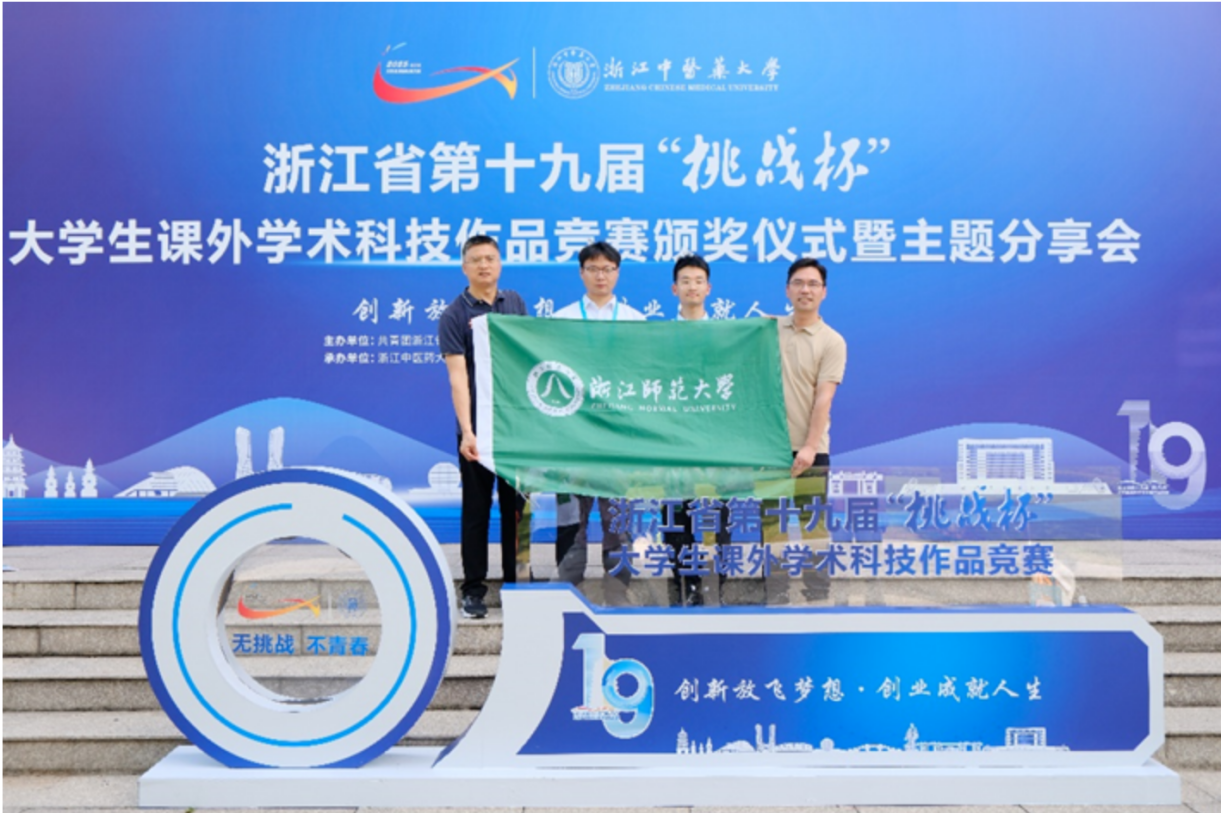
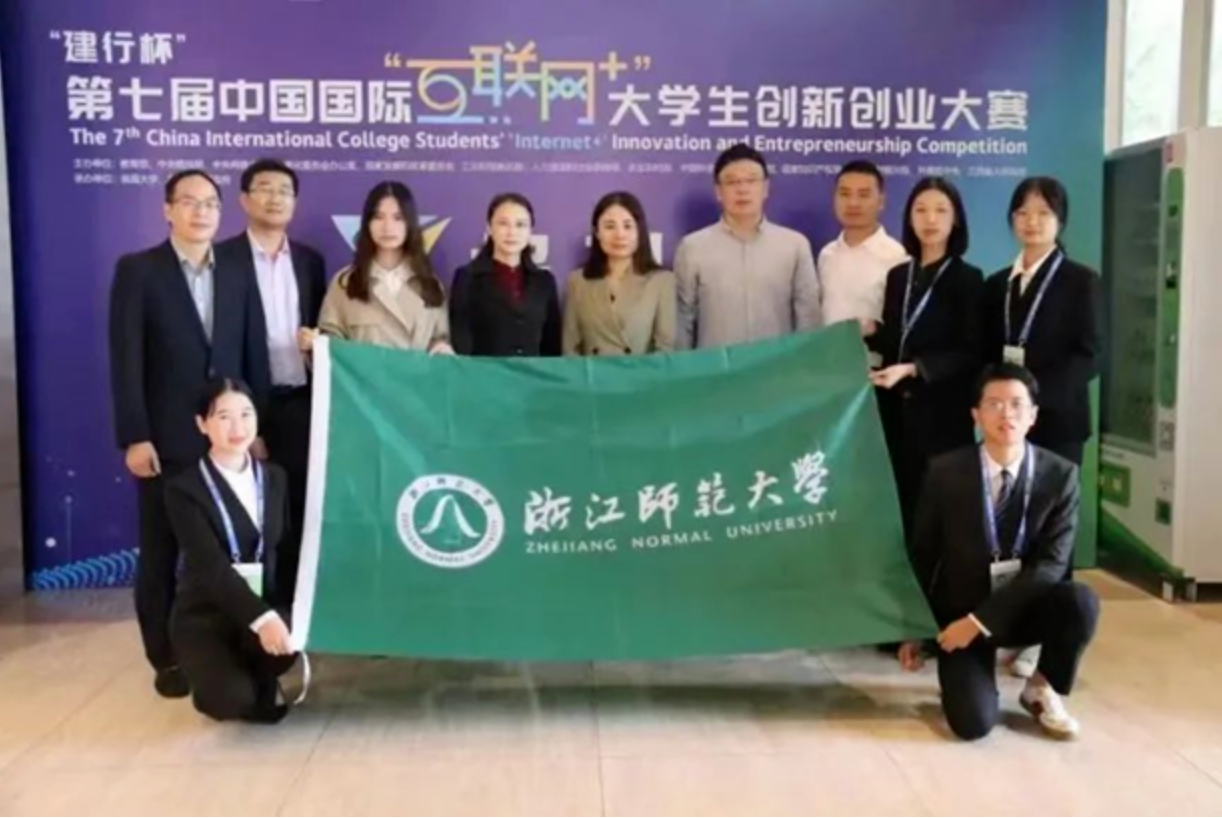
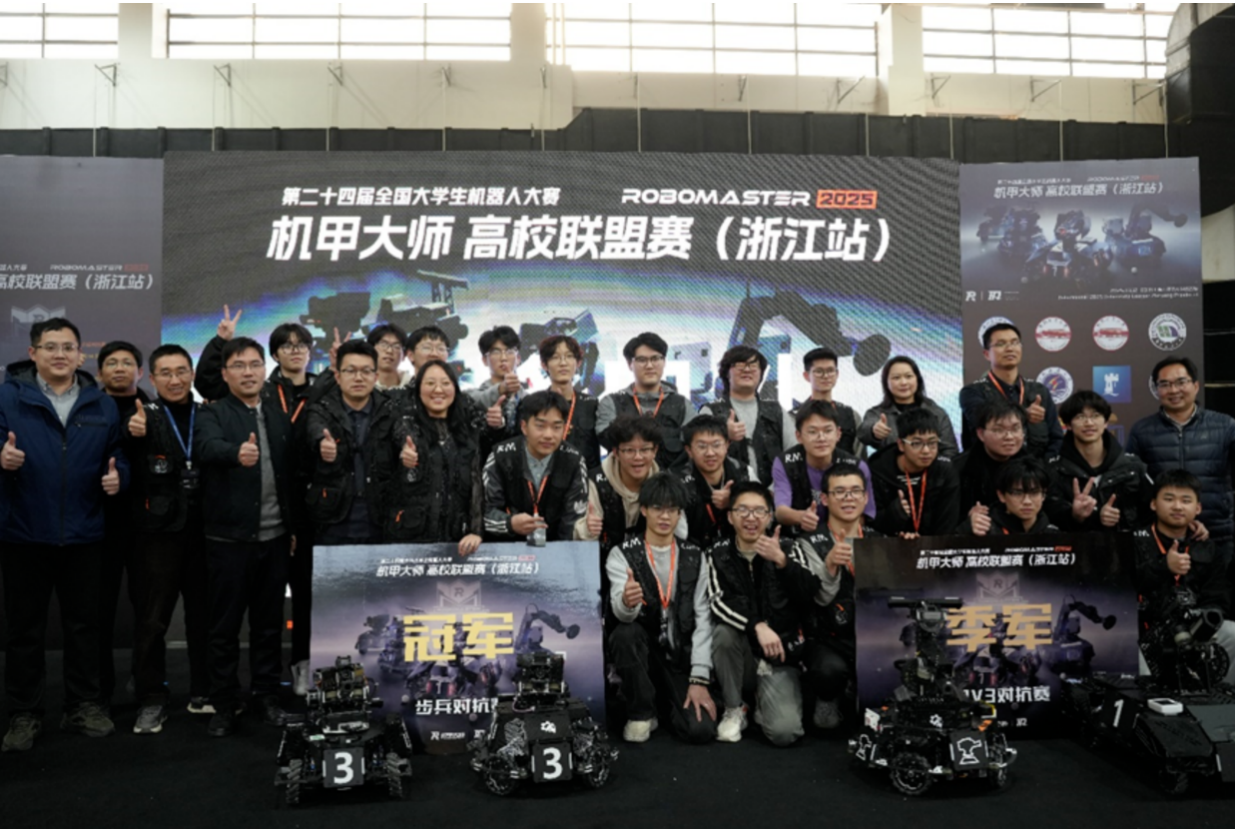
The college has established the "Happy Learning Little E" framework to promote a positive academic atmosphere. Students can join research groups to participate in scientific projects, compete in academic contests, and secure opportunities for further education. Over the past five years, our students have won 3 national gold medals in China's "Internet Plus" Innovation and Entrepreneurship Competition and excelled in various national contests, receiving over 170 national and 600 provincial awards. More than 30% of our students have received such honors.
The college has established a dedicated fund to support students in studying abroad. In recent years, it has organized a range of exchange programs with institutions such as Nanyang Technological University (Singapore), The University of Hong Kong, The University of Texas at Austin (USA), The University of Western Australia, and Newcastle University (UK).
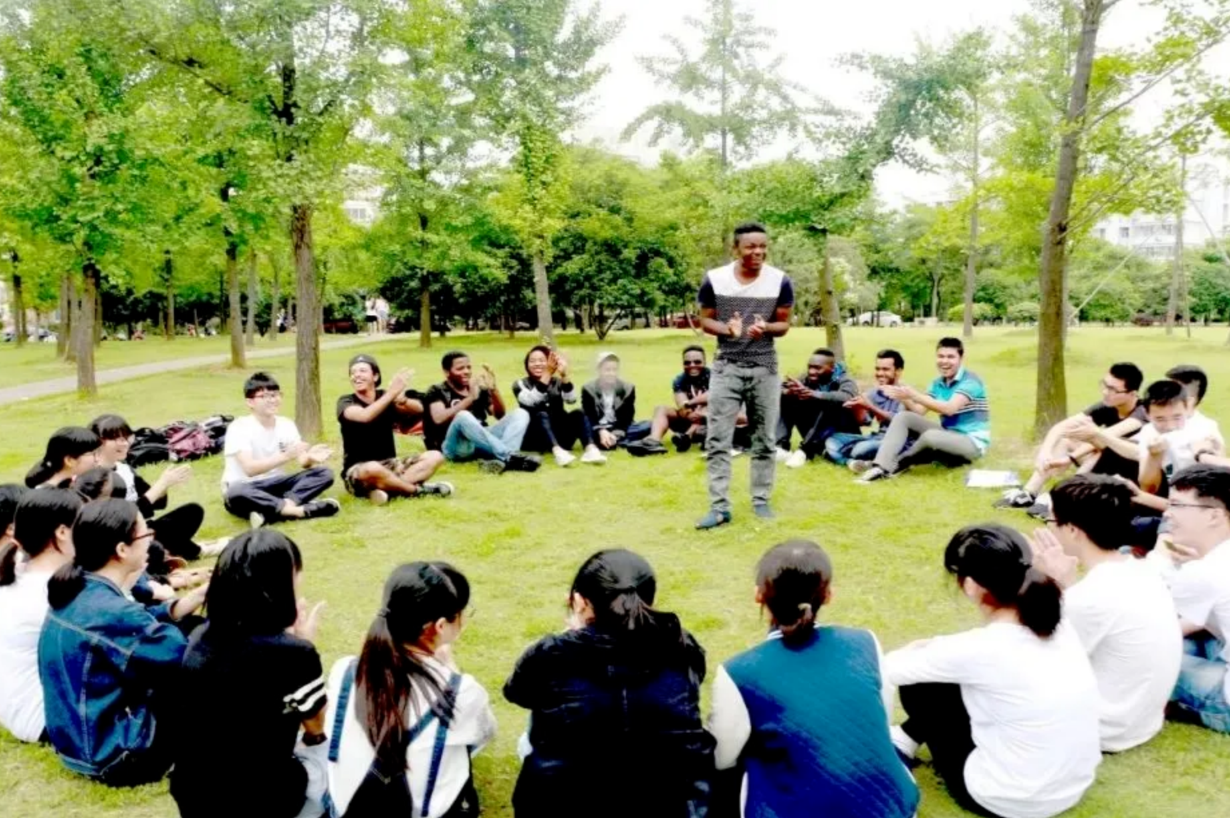
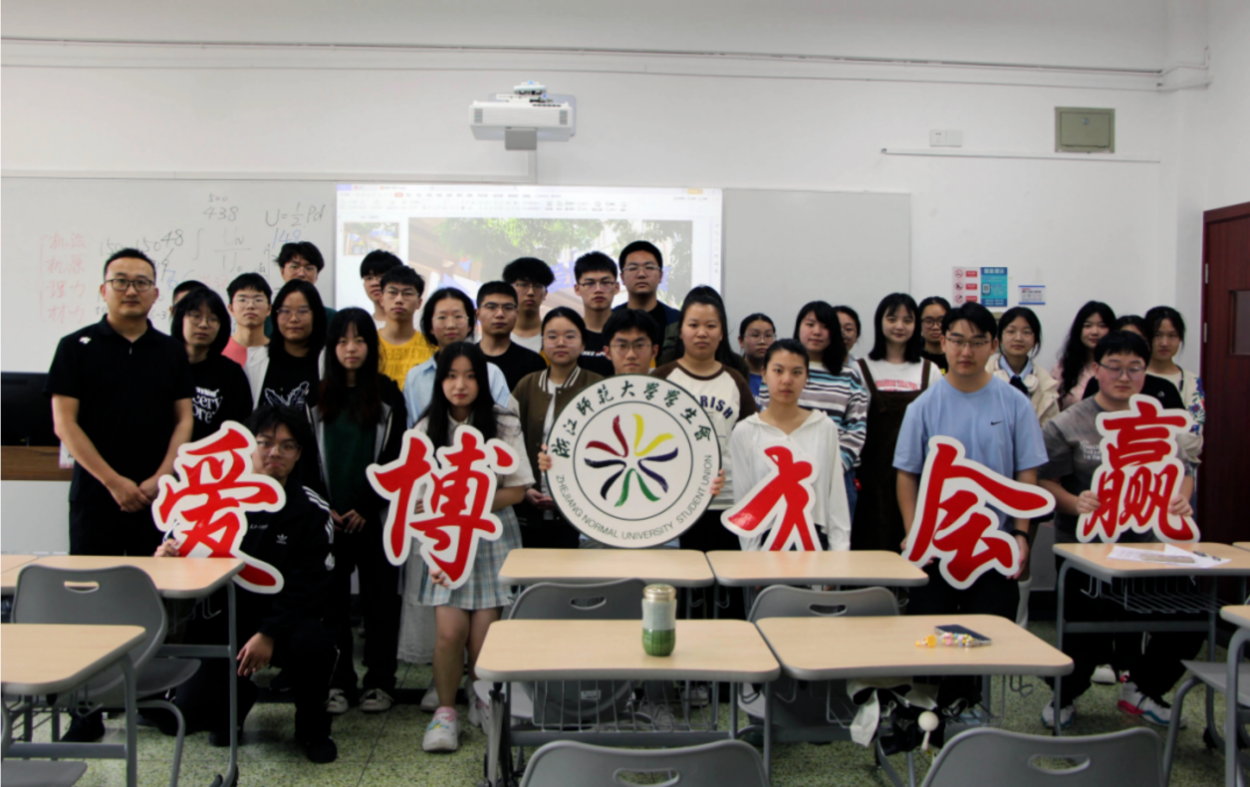
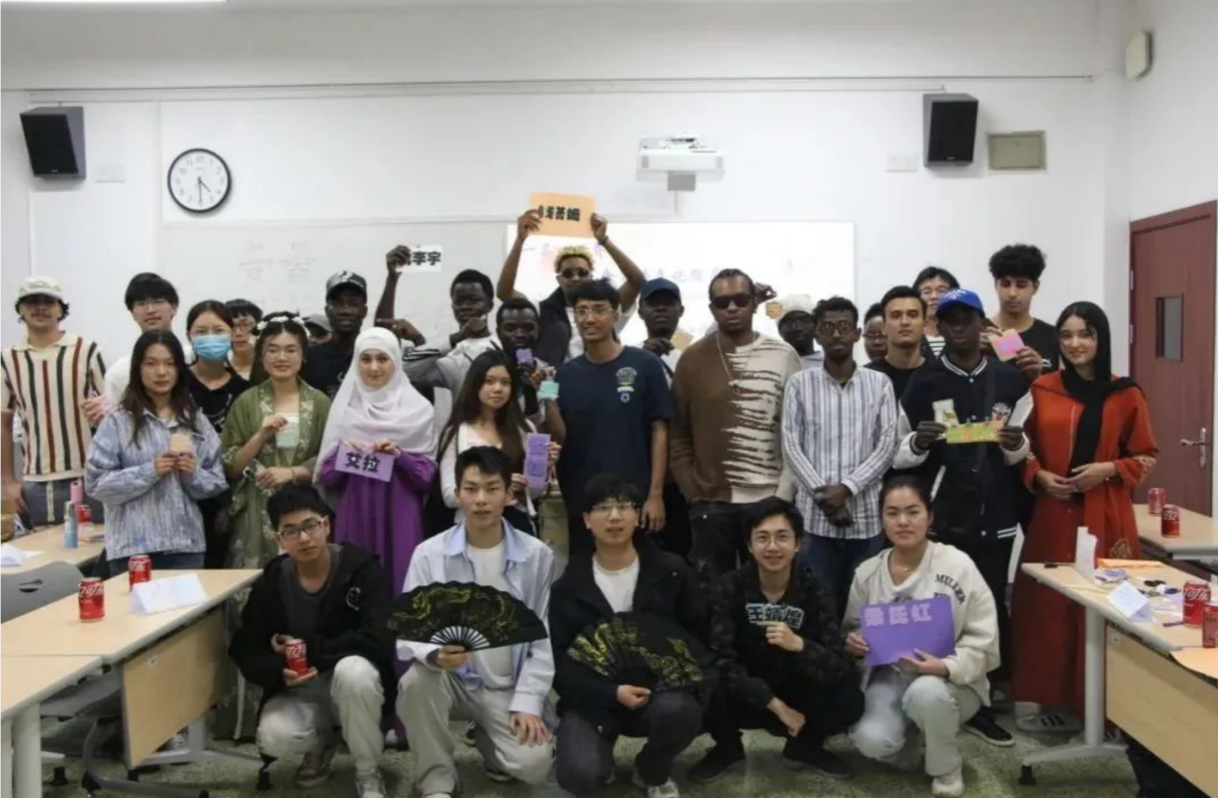
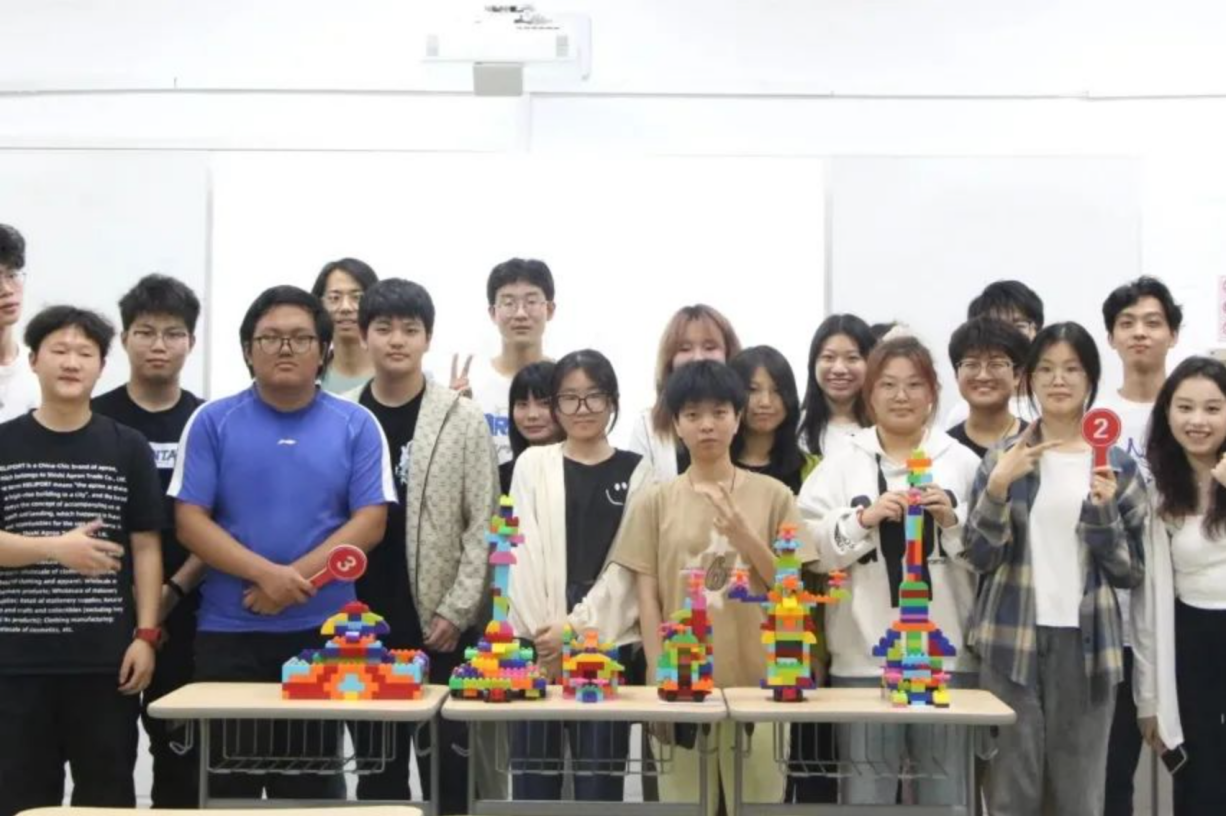
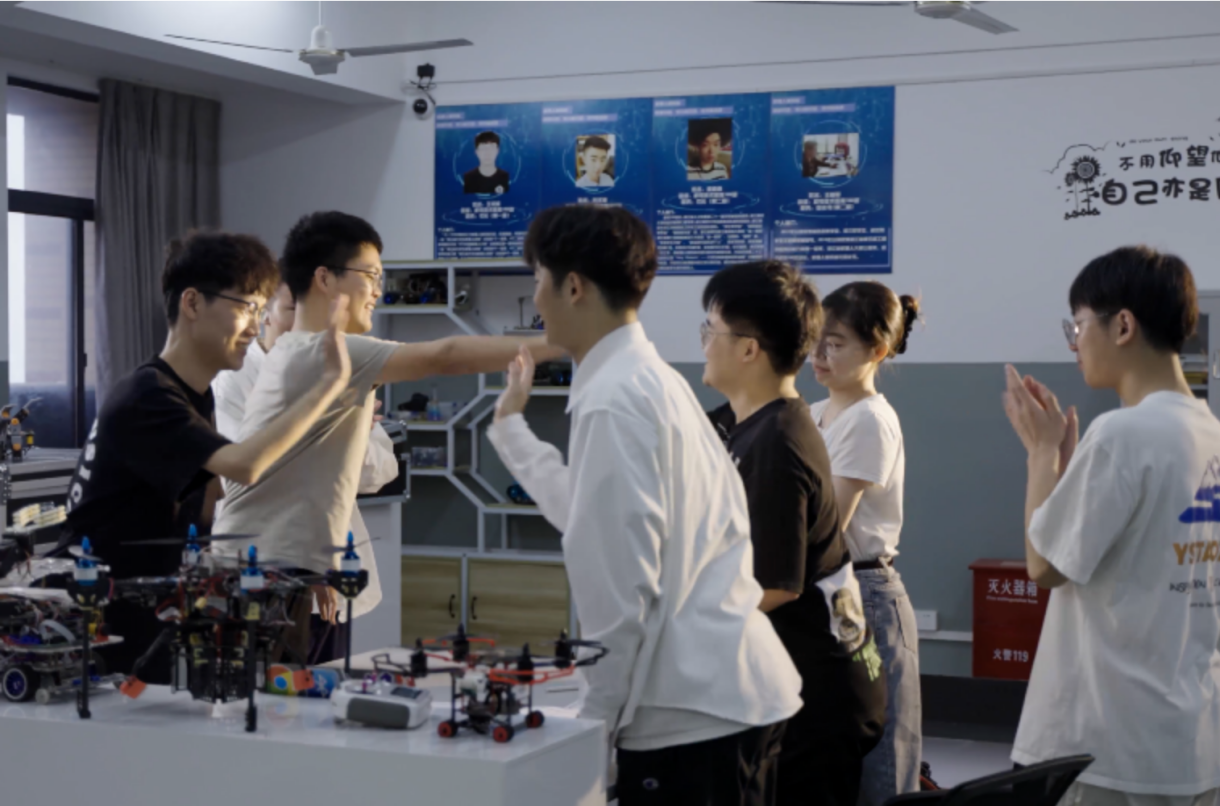
At ZJNU Engineering, you can have broad development prospects!
Intelligent Manufacturing Engineering
Educational Objectives
Educational Objectives: To cultivate outstanding engineering innovators who possess a foundational knowledge of and applied competence in smart manufacturing.These graduates will achieve a harmonious integration of knowledge, skills, and character, preparing them to meet regional industrial demands. They will be competent for roles in R&D, design, commissioning, management, and operation within the field of smart manufacturing, specifically for intelligent products and production systems.
Post-graduation Destinations
Smart Manufacturing, as a core driver of the current Industry 4.0, is leading the transformation of the manufacturing sector worldwide. Graduates from this program enjoy a wide range of career opportunities, with an employment rate exceeding 98%. The program has cultivated numerous talents in information technology and advanced manufacturing for the nation.
Over the past five years, approximately 40% of graduates have pursued further education through admission or recommendation for postgraduate studies. They have enrolled in prestigious domestic institutions such as Zhejiang University and Shandong University, as well as renowned research academies. Some students have continued their studies at internationally recognized universities like the University of Rochester (USA) and the University of Tokyo (Japan). About 60% of graduates enter the workforce directly, securing positions in public institutions, state-owned enterprises, foreign-invested companies, private firms, and vocational or secondary schools, including employers such as China Mobile Communications Group and Tianneng Battery Group.
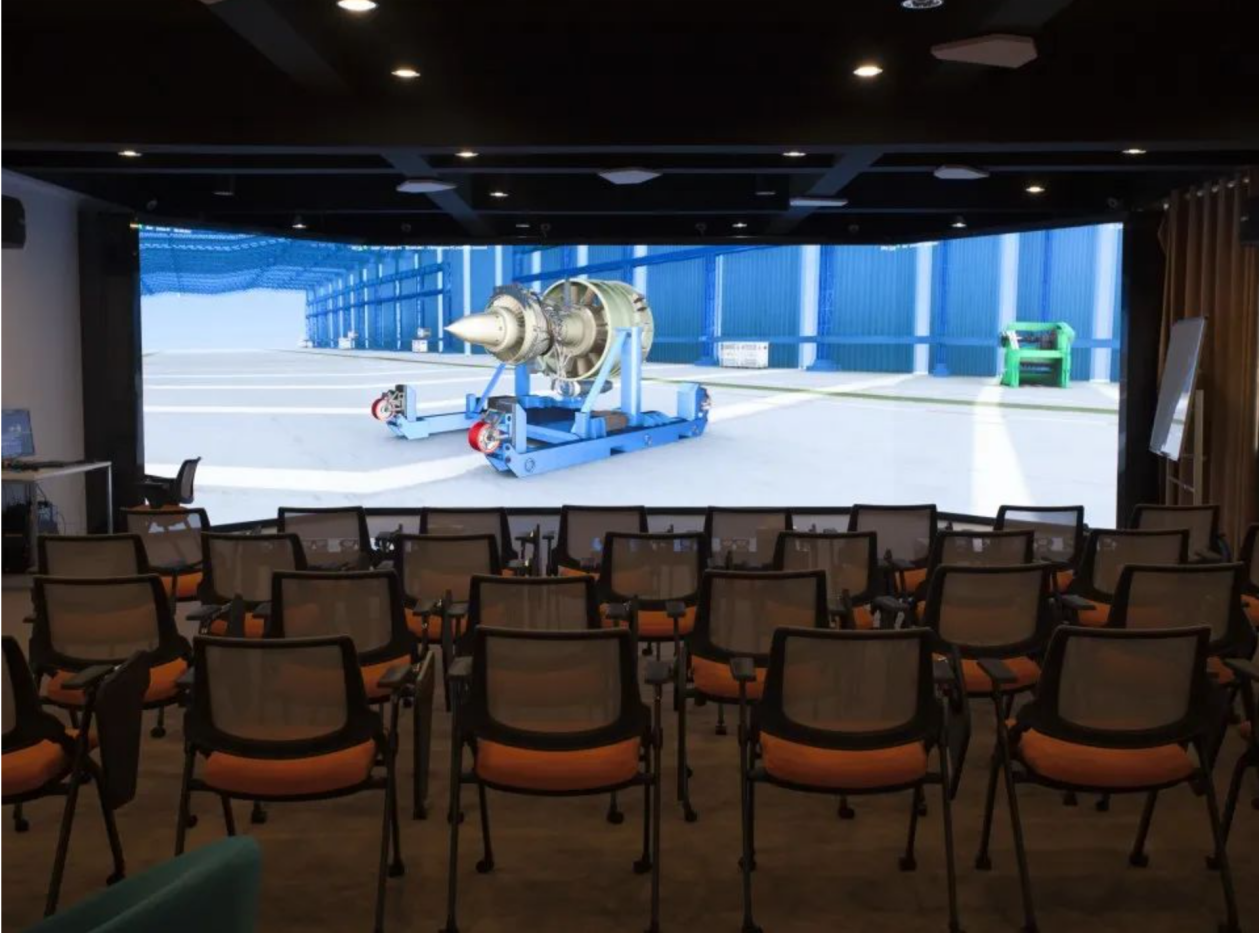
Robotics Engineering
Educational Objectives
This program is designed to develop senior engineering talents with comprehensive capabilities in mechanics, electronics, control, and computer science. It ensures students systematically master theoretical knowledge and practical skills in robotics engineering, including mechanical design, electronic circuits, automation, computer science, artificial intelligence, and sensor technology. This prepares them to become senior engineering professionals capable of R&D, design, maintenance, and management for both industrial and intelligent robots, and to pursue careers in design, manufacturing, technological development, and applied research within the robotics industry.
Post-graduation Destinations
With the comprehensive implementation of the "Made in China 2025" strategy, robotics—hailed as "the pearl at the crown of smart manufacturing"—plays a pivotal role in the transformation and upgrading of the manufacturing industry. Graduates are in high demand across fields such as intelligent robotics, industrial robotics, artificial intelligence and machine learning, autonomous driving, and educational research.Graduates from this program enjoy a wide range of career opportunities, with a professional employment rate of over 98%. In the past three years, the further education rate for postgraduate studies has exceeded 50%. Among the 2025 cohort, 61.82% pursued advanced studies, enrolling in top-tier domestic institutions such as Zhejiang University and the University of Science and Technology of China, while some students went abroad for graduate programs at internationally renowned universities like the University of Sheffield and the University of Leeds in the UK.Career destinations include local government departments, education bureaus, schools, as well as well-known domestic enterprises and institutions such as Robert Bosch Co., Ltd., China Mobile, PetroChina, and Hangzhou Hikvision Digital Technology Co., Ltd.

Transportation
Educational Objectives
In response to the demands of the era, such as artificial intelligence and the low-altitude economy, this program actively addresses the needs of social development and economic construction. Rooted in the Yangtze River Delta region and extending its reach nationwide, it aims to cultivate high-quality, versatile engineering and technical talents in transportation. These graduates will possess comprehensive moral, intellectual, physical, aesthetic, and labor education development; embrace socialist core values, humanities and social sciences literacy, social responsibility, engineering ethics and norms, teamwork spirit, a craftsman's dedication to excellence, innovative thinking, and international perspectives; and master fundamental knowledge, basic theories, engineering technologies, and corresponding AI skills in transportation. They will be equipped to undertake work in planning and design, operation and maintenance, technical management, and scientific research in fields such as rail transit, road transportation, and related areas.
Post-graduation Destinations
Over the past five years, the college has produced nearly 420 graduates, achieving a professional employment rate of over 95%, and has cultivated a large number of high-skilled applied and innovative talents in transportation for the country. Undergraduate students have won 25 national-level academic competition awards and 21 provincial-level awards. They have led 26 innovation and entrepreneurship projects at or above the provincial-ministerial level, applied for more than 10 patents, and published over 40 high-quality research papers. Approximately 35% of graduates have been admitted to graduate programs through recommendation or examination. About 29% of students enrolled in prestigious domestic institutions such as Beijing Jiaotong University and Southwest Jiaotong University, while around 6% pursued graduate studies at renowned overseas universities like the University of Birmingham and University of Bristol in the UK. Roughly 60% of graduates entered the workforce directly, securing positions in public institutions, state-owned enterprises, foreign-invested companies, private firms, and vocational or secondary schools, including employers such as China Railway Beijing Bureau Group and China Railway Chengdu Bureau Group.